
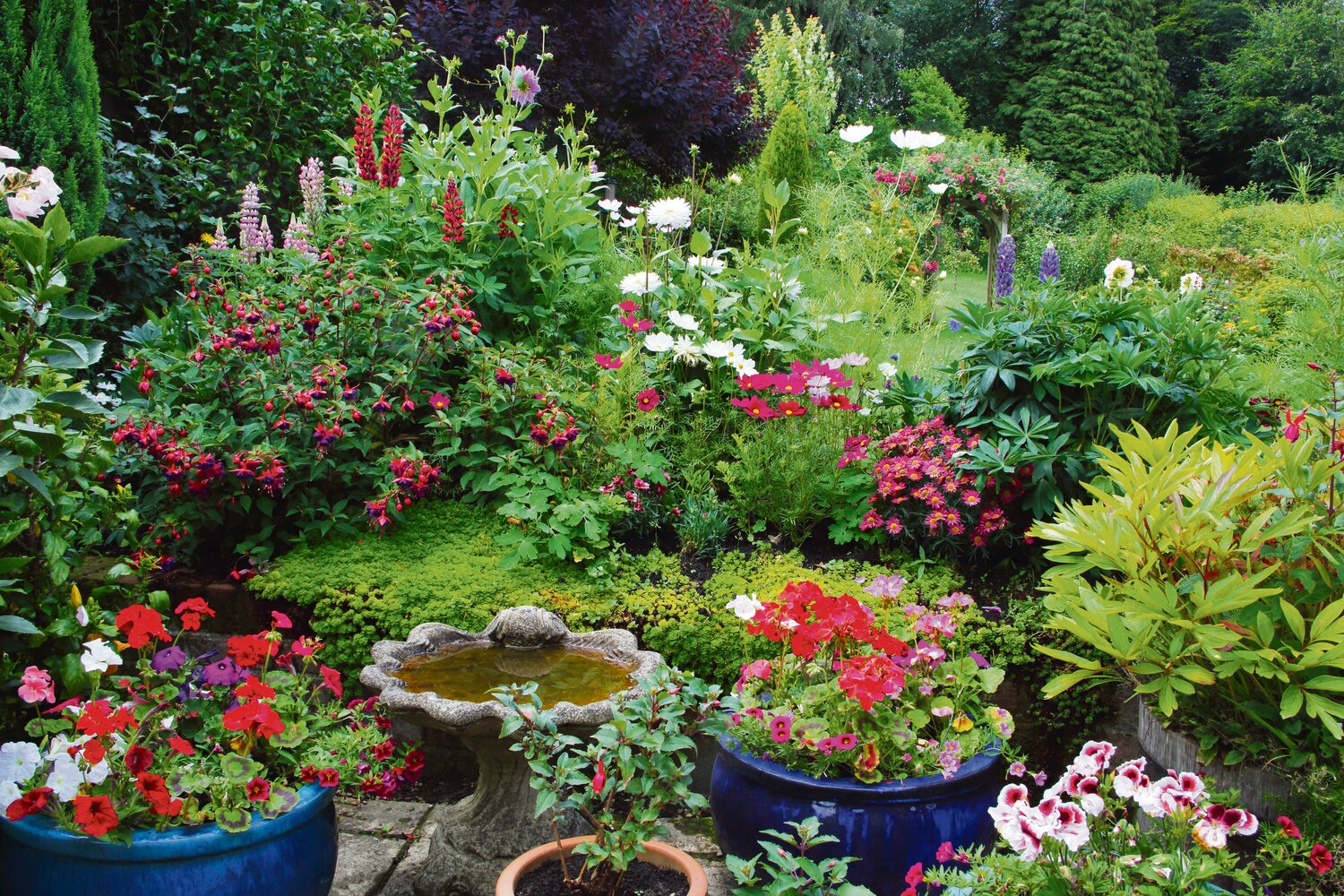
Welcome to the merry month of May, the official kickoff of summer gardens. May brings us Mother’s Day, the end of the school year, and the pleasures of outdoor activities, including gatherings of family and friends, outdoor dining, beachcombing and digging in the dirt. May is also the month when snowbirds return and open their cabins for the summer.
Whether you’re a Point Roberts newcomer or longtime resident, an experienced gardener or someone who’d like to put a few things in pots and find out if your thumb is green, May is the month to get started. By the end of May, we’ll have close to 16 daily hours of daylight, which is terrific for people as well as plants. More hours of sunlight warms the soil so you can get both plants and seeds into the ground later this month. Cool weather plants – spring bulbs, winter greens, pansies and peas – are happily doing their spring thing, and warmer weather plants like tomatoes and dahlias can be planted once the overnight temperatures are consistently above 50 degrees Fahrenheit.
What would you like to grow? Even the smallest spaces can accommodate a few pots or grow bags of herbs, flowers, or gourmet vegetables. If you have a sunny spot on the deck or by the driveway, you’re good to go. You might consider growing a salad garden, a salsa or spaghetti garden, or a garden of herbs for tea or cocktails. You can also grow an abundance of flowering plants that will provide bouquets all summer long and well into autumn.
Veggies, flowers and herbs can be grown in pots and window boxes filled with potting soil. For a potted garden, your pots should be at least 12 inches wide and tall; larger pots can hold multiple plants. A good rule of thumb for smaller vegetables and herbs is to allow six inches of surface space for each plant: i.e., a 12-inch pot can hold two or three smallish plants like lettuces, marigolds, or basil.
Plants well-suited to container growing include leafy salad greens, radishes, beets, green onions, herbs, and flowers. There are varieties of tomatoes, corn, and peppers that are great for growing in larger pots, and they would benefit from staking or the addition of a tomato cage.
Fill your pots with fresh potting soil, and make sure the soil mix is damp before adding your plants. Do not add filler items – Styrofoam, empty pots, thick layers of gravel, etc. – to help fill the space in the bottom of the pot, as your plants’ roots need room to grow. Potted plants may need daily watering and should be lightly fed with diluted liquid fertilizer every two weeks during the growing season.
Raised gardening beds should be a minimum of 6 inches deep, though 12 inches is much better for healthy soil and roots. Fill your beds with commercial growing mix, which has different ingredients than potting soil and will help your plants to thrive. Many raised bed planting mixes contain slow-release fertilizer, which is often enough for the entire growing season. You can add aged compost to your soil mix before planting or use a 1- to 2-inch layer of compost to mulch your garden beds, which will conserve water and help prevent weeds from sprouting.
Unlike potted plants, raised beds do not require daily watering. Watering deeply once or twice a week is better than frequent shallow watering. Plants may look a bit wilted due to weather or wind, but wilting is not always a sign of needing water. Stick your finger a couple of inches into the soil, and water when the top inch is no longer damp.
Plants react to stress in familiar ways: they may wilt, drop leaves and petals, and/or their foliage may begin turning yellow. It seems weird, but the symptoms are often the same for opposing conditions: overwatering and underwatering, over fertilizing and under fertilizing, too much sun or not enough sun.
Many gardeners, even experienced ones, mistakenly overwater, add fertilizer, or remove a stressed plant without determining what caused the problem.
The same is true for suspected insect damage on a plant. We share our outdoor space with hundreds of diverse insects, and most of them are beneficial to our gardens. Buzzing bees and nibbled leaves are normal in a thriving ecosystem, so please do not try to “fix” an insect problem without knowing what insect is visiting your garden and whether they are an actual threat to your plants, pets, and family.
You can find answers to your gardening questions and concerns through the Whatcom County extension office and the Washington State University master gardener clinic in Bellingham. Their website (extension.wsu.edu/whatcom) is filled with helpful resources and info, and offers assistance by phone, email or in person.
Alternately, come see me during senior lunch at the community center on Wednesdays and Fridays, between 11:30 and 1 p.m.
Happy Gardening!










Comments
No comments on this item Please log in to comment by clicking here